
Our prototype is currently not publicly available as we’re fine-tuning and debugging it. We’re preparing it for the first round of user testing very soon. Below, you can see screen recordings of the prototype in action, along with an explanation of the environment it’s running in.
Home Feed
On our website, whether you’re logged in or not, the first thing you’ll encounter is the home page, a welcoming space where you can simply scroll down and explore a rich variety of posts.
Each piece of content you see here has two contributors:
- a Content Creator who crafts the initial piece, and
- a Reviewer who ensures it’s accurate and reliable.
When you click on any post, be it a video, a text article, or even a podcast, you’ll dive into a detailed yet easy-to-follow topic of knowledge. Each post comes with a clear explanation, proper citations, and full references to the sources used. It’s all about transparency and trust, making sure that the content is both engaging and verifiable.
Content Creation Guidelines
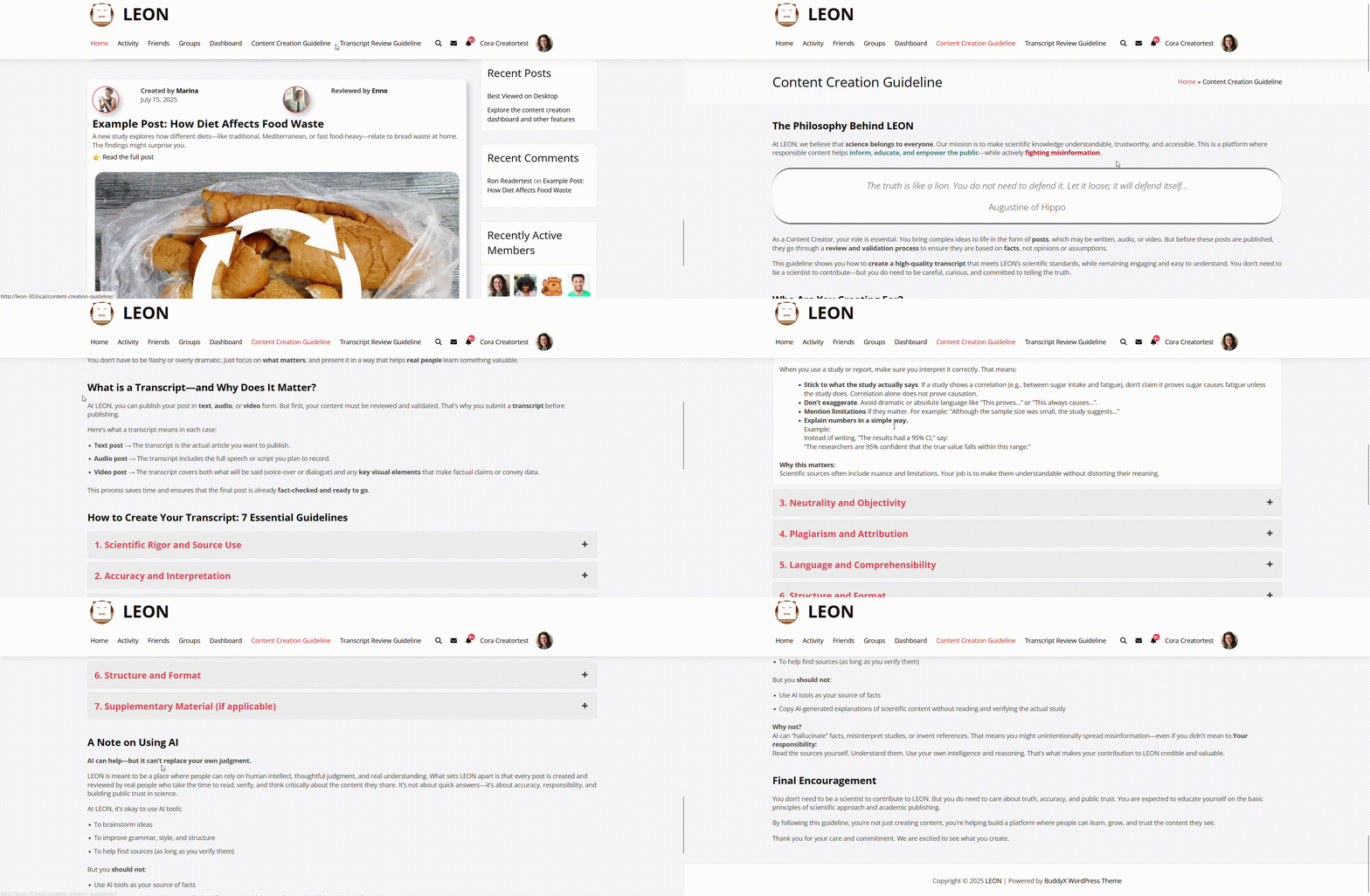
At LEON, we take content creation very seriously, which is why we have a set of carefully crafted guidelines available not just to our Content Creators, but to everyone. These guidelines explain why it’s important to follow certain standards, what kind of information we encourage, and how to shape a transcript into a trustworthy piece of content.
We have seven essential guidelines at the heart of what we do. These cover things like scientific rigor and source accuracy, neutrality and objectivity, and the importance of avoiding plagiarism by properly attributing sources. We also emphasize using clear language and a good structure, and even how to incorporate complementary materials.
One especially important guideline is about the use of AI. While AI can be a fantastic tool for improving writing and helping with content creation, it can’t be used as a source of information itself. We never rely on AI as a reference or cite it as a source. That’s because we want to ensure that all our content is grounded in verifiable, human-checked facts.
Content Creation Dashboard
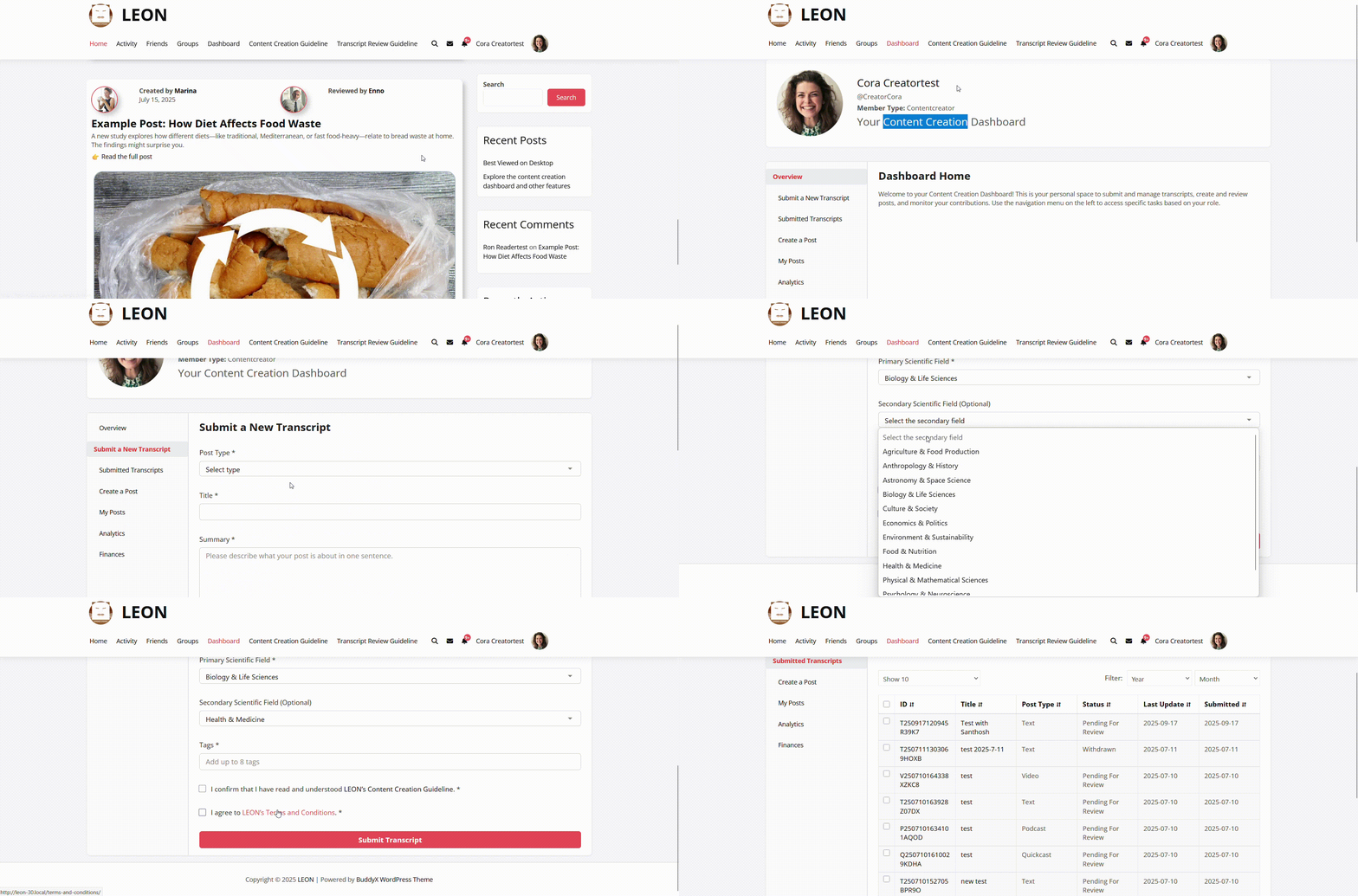
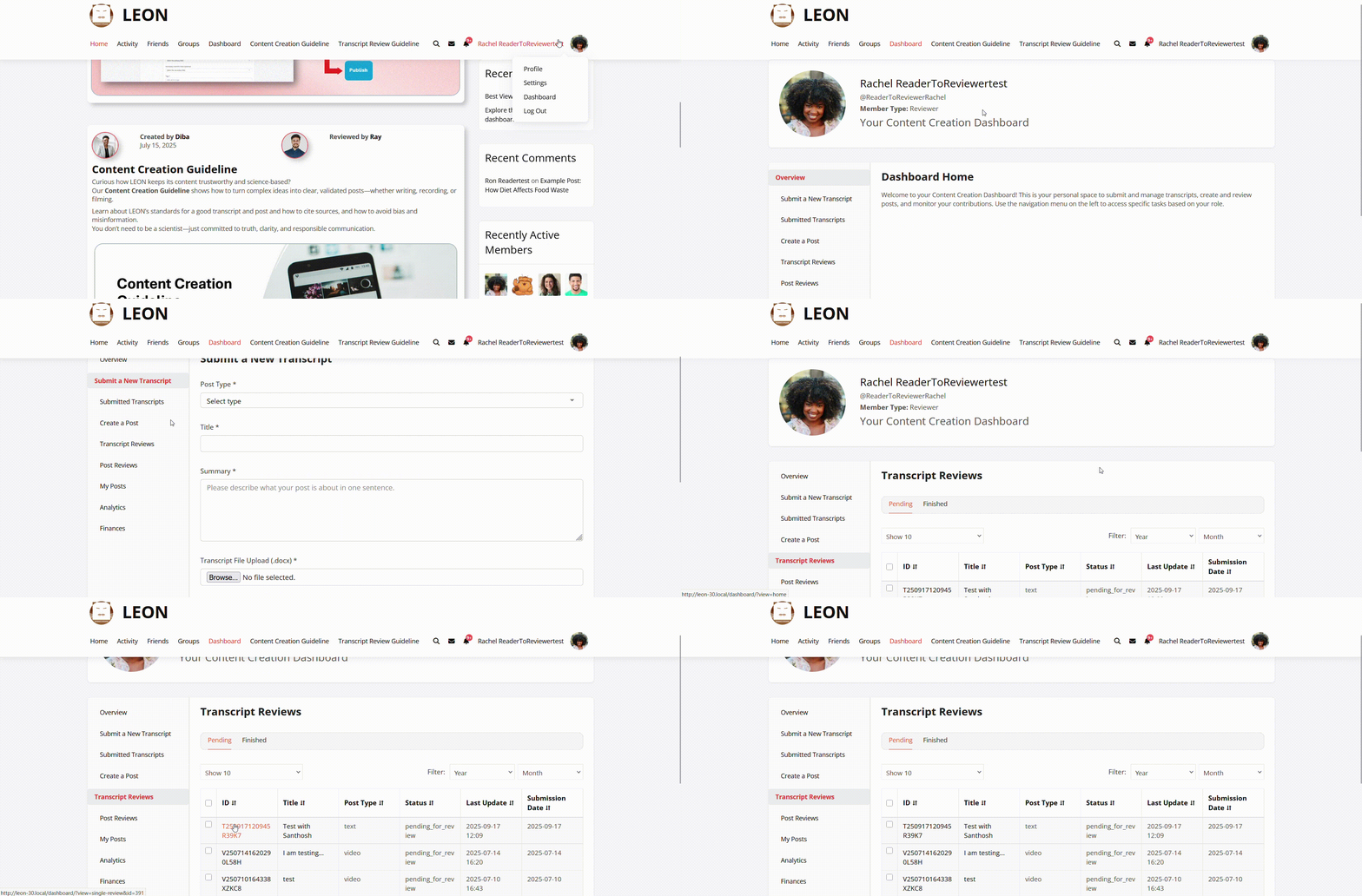
When a user logs in as a Content Creator, they gain access to a special set of tools, most importantly, the Content Creation Dashboard. This dashboard is designed to be intuitive and straightforward. It guides creators step-by-step: first, they can submit a transcript of the post they want to create.
This transcript is then reviewed to validate all the information and ensure it meets our quality standards. Once the reviewer approves the content, the Content Creator can then move on to actually crafting the final post, whether it’s text, video, or audio, based on the validated transcript.
In this way, we ensure that not only the initial information is accurate, but that the final published piece truly reflects what was reviewed and approved. It’s a collaborative process that keeps quality high and makes sure everything we publish is trustworthy and well-verified.
Review Guidelines
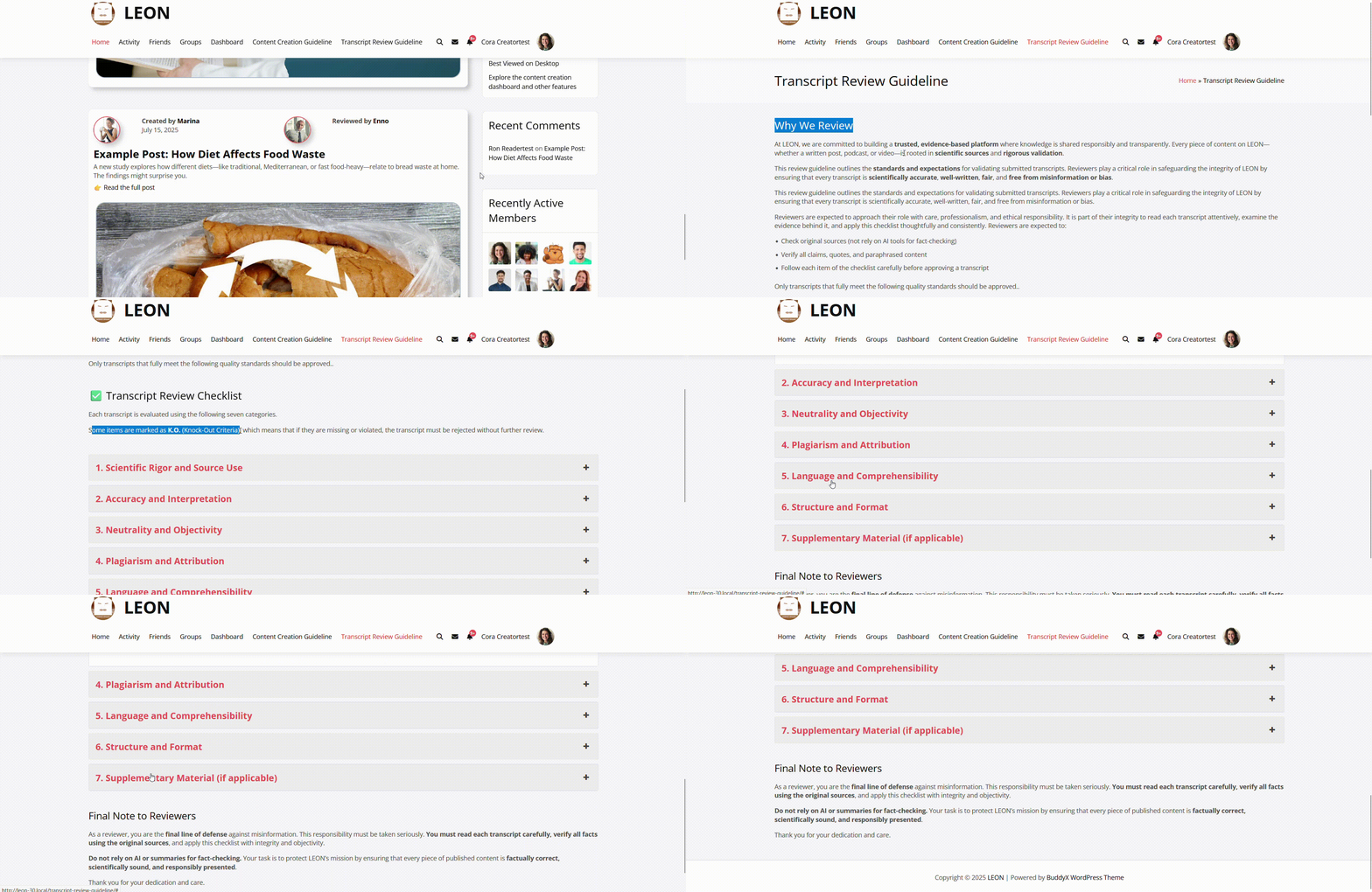
Reviewers have their own set of guidelines that closely mirror the content creation guidelines, but with additional explanations about the importance of their role. These guidelines highlight the specific points reviewers need to pay attention to, including what we call “knock-out criteria.” Essentially, if certain fundamental standards aren’t met, for example, if the scientific basis of a post isn’t clear or if the references aren’t from reputable sources like peer-reviewed articles or official organizations, then that’s a knock-out criterion. Even if there’s just one critical issue like that, it means the post must be rejected.
In other words, these reviewer guidelines make the review process really clear and straightforward. They help reviewers understand exactly what to look for and why these standards matter, making sure that every piece of content that gets approved is rock-solid and trustworthy.
Reviewer’s Dashboard
For reviewers, the interface has a little more to it compared to content creators. They also have access to the Content Creation Dashboard, just like Content Creators do, because they can wear both hats if they want. But as reviewers, they have additional menus and features tailored specifically to their reviewing role.
When a Content Creator submits a transcript, a reviewer gets a notification. At that point, they can decide whether to accept or decline the review. If they accept, they dive into the review process, following seven key guidelines to check the accuracy of the content and the validity of its sources. They can leave comments, request improvements, or even reject the transcript if needed. Once they approve the transcript, the Content Creator is free to turn it into the final post.
After the Content Creator finalizes and uploads the post, the reviewer gets another notification to take one last look and then officially publish it. In other words, reviewers have the final say, making sure every piece of content that goes live is polished and ready for the world.
If you have any questions about our prototype or about LEON in general, we’d be happy to answer them. Please feel free to reach out to us.